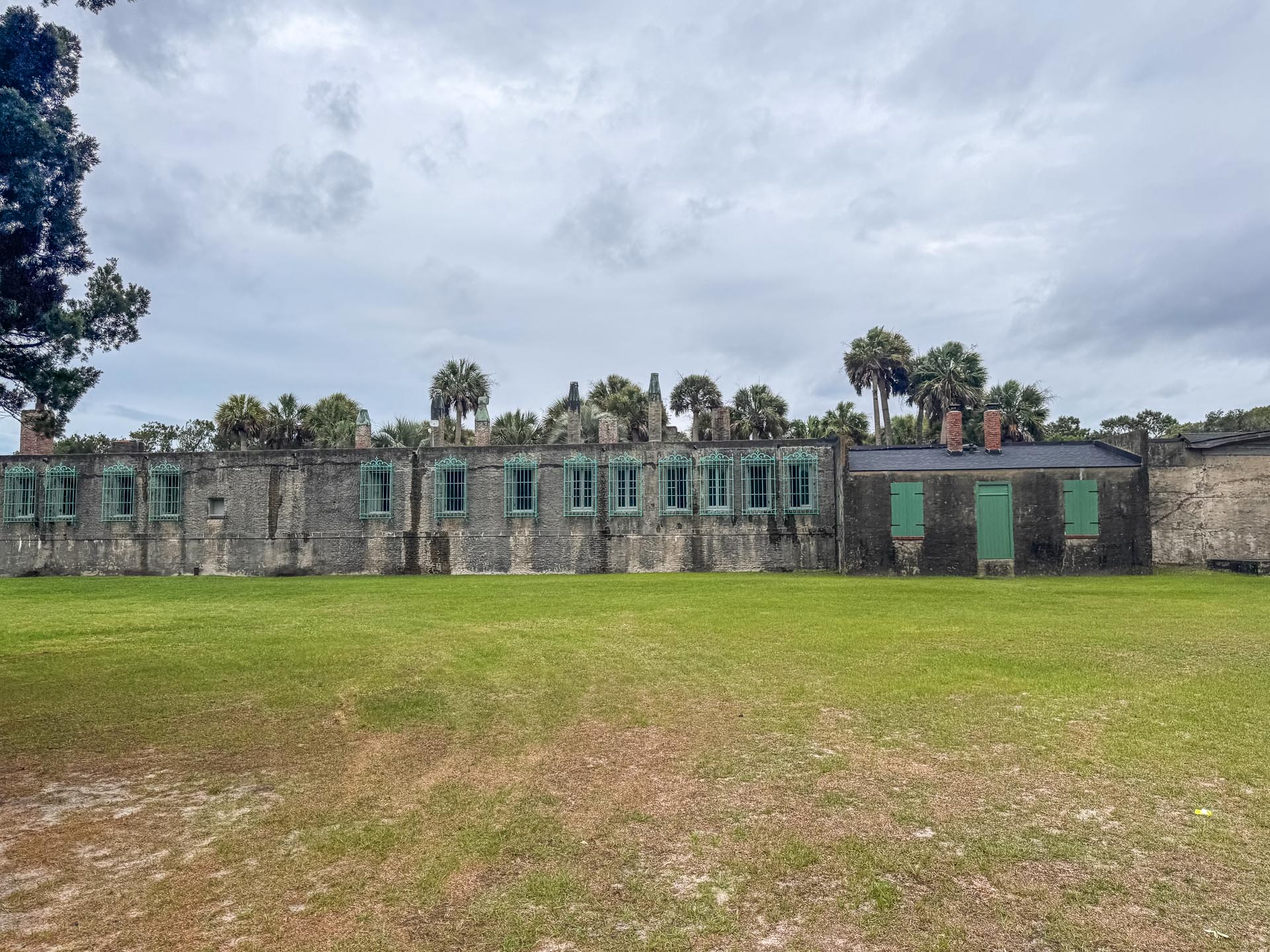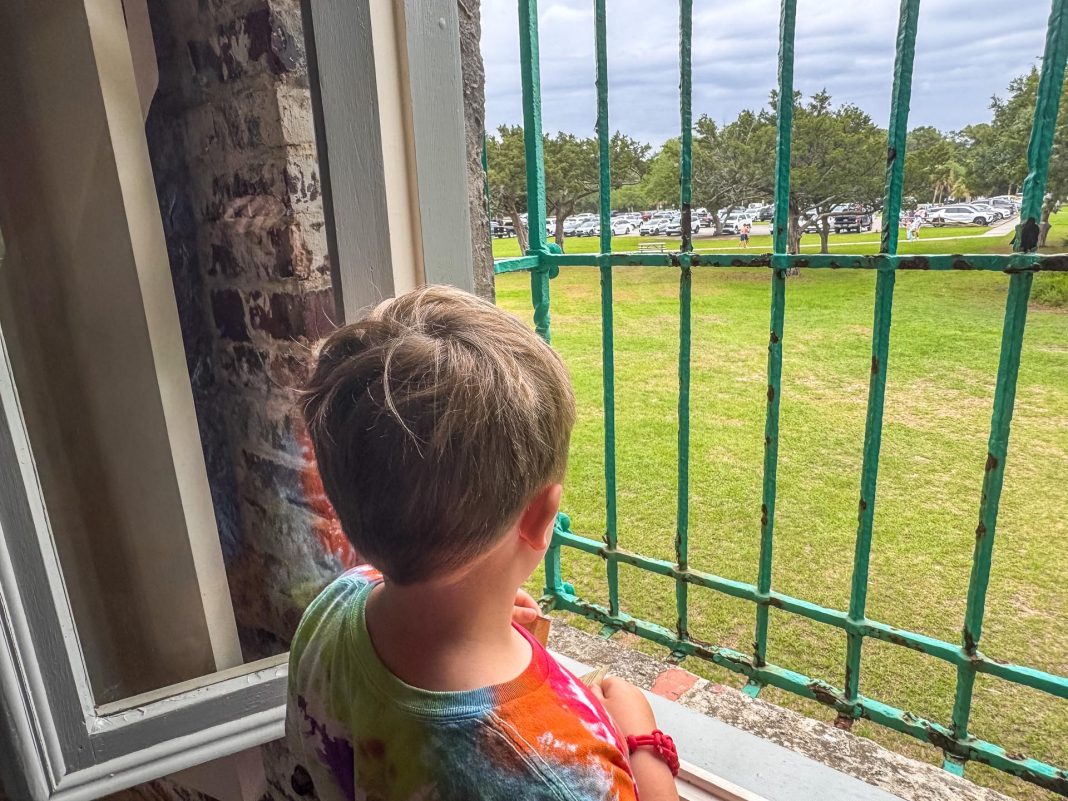
If you have visited Brookgreen Gardens, Atalaya Castle feels like the missing chapter.
Brookgreen is beautiful, polished, and full of intention. It is sculpture, gardens, live oaks, history, and quiet paths that make you slow down whether you planned to or not. Atalaya, just across the road inside Huntington Beach State Park, feels different — rougher, quieter, more mysterious — but it is deeply connected to the same story.
Together, they tell you so much more about Archer and Anna Hyatt Huntington than either place does alone.
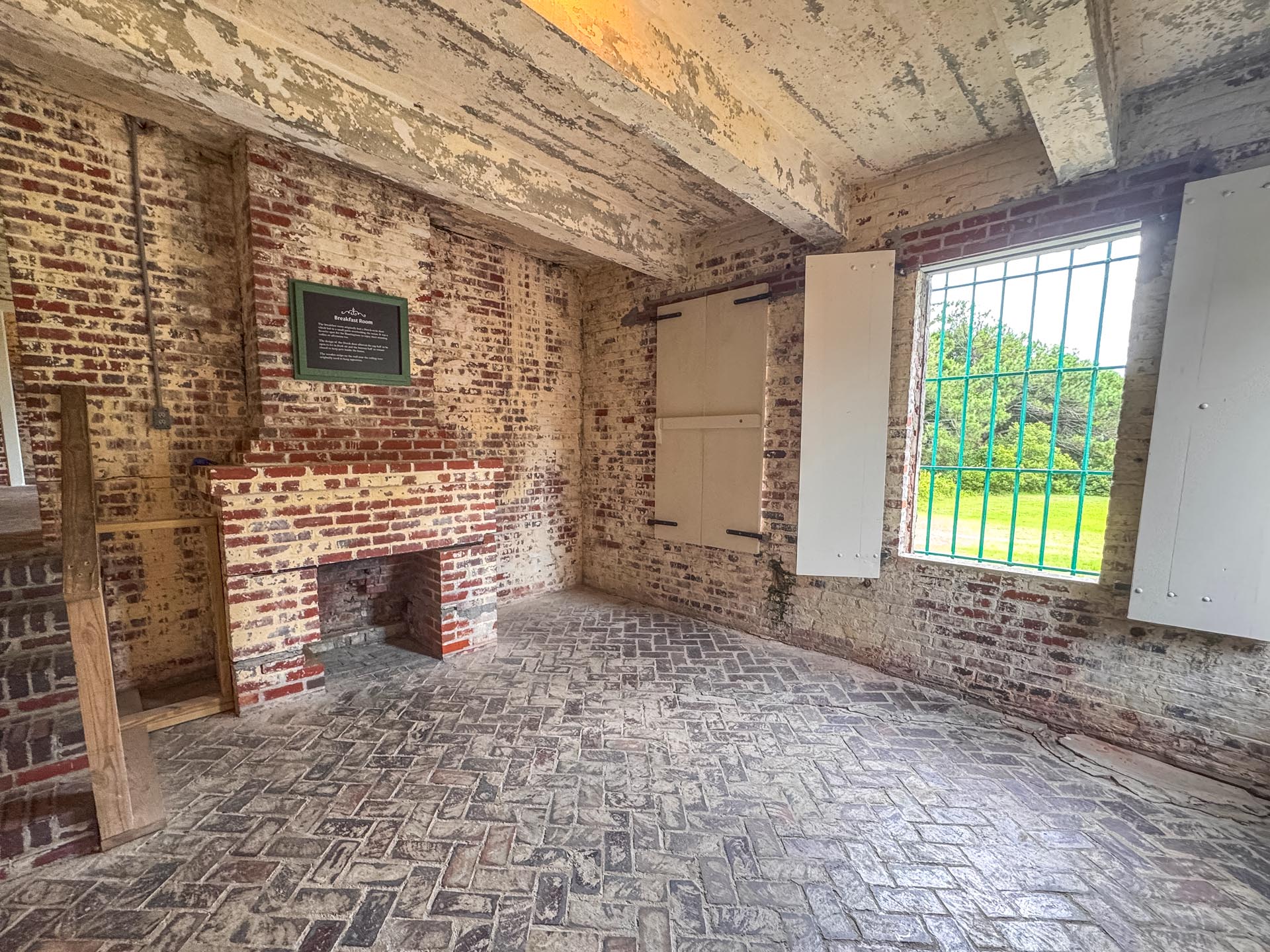
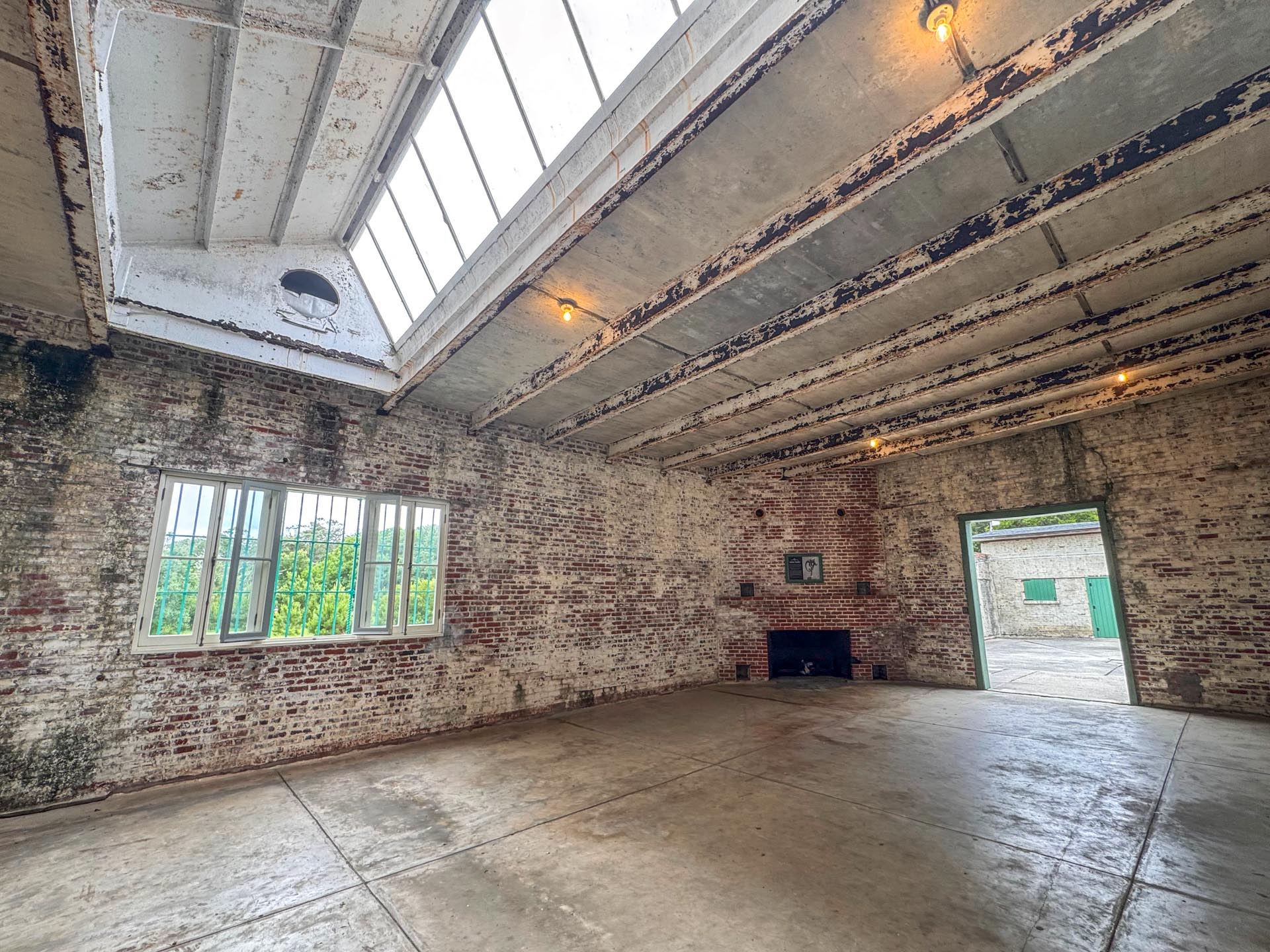
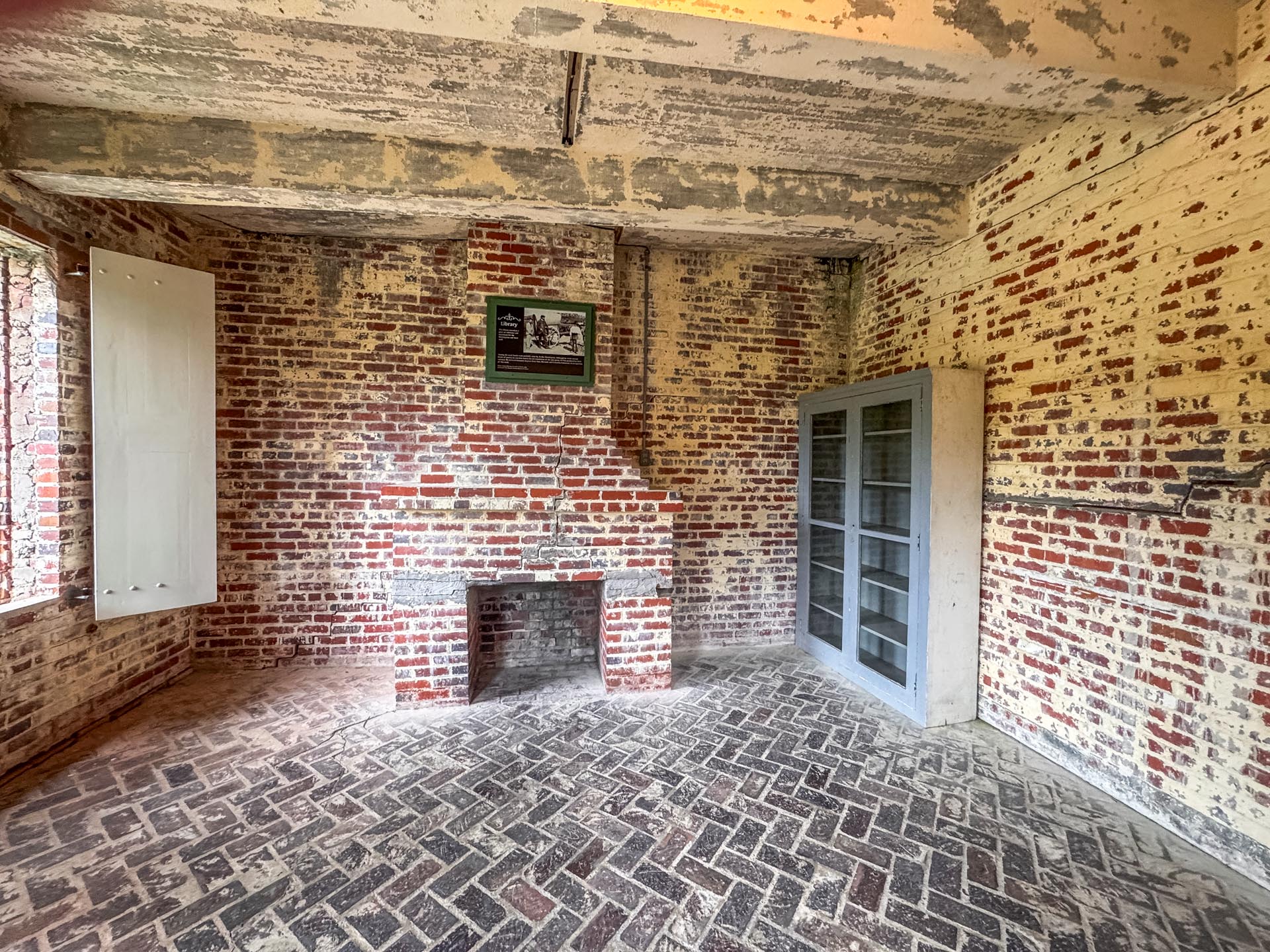
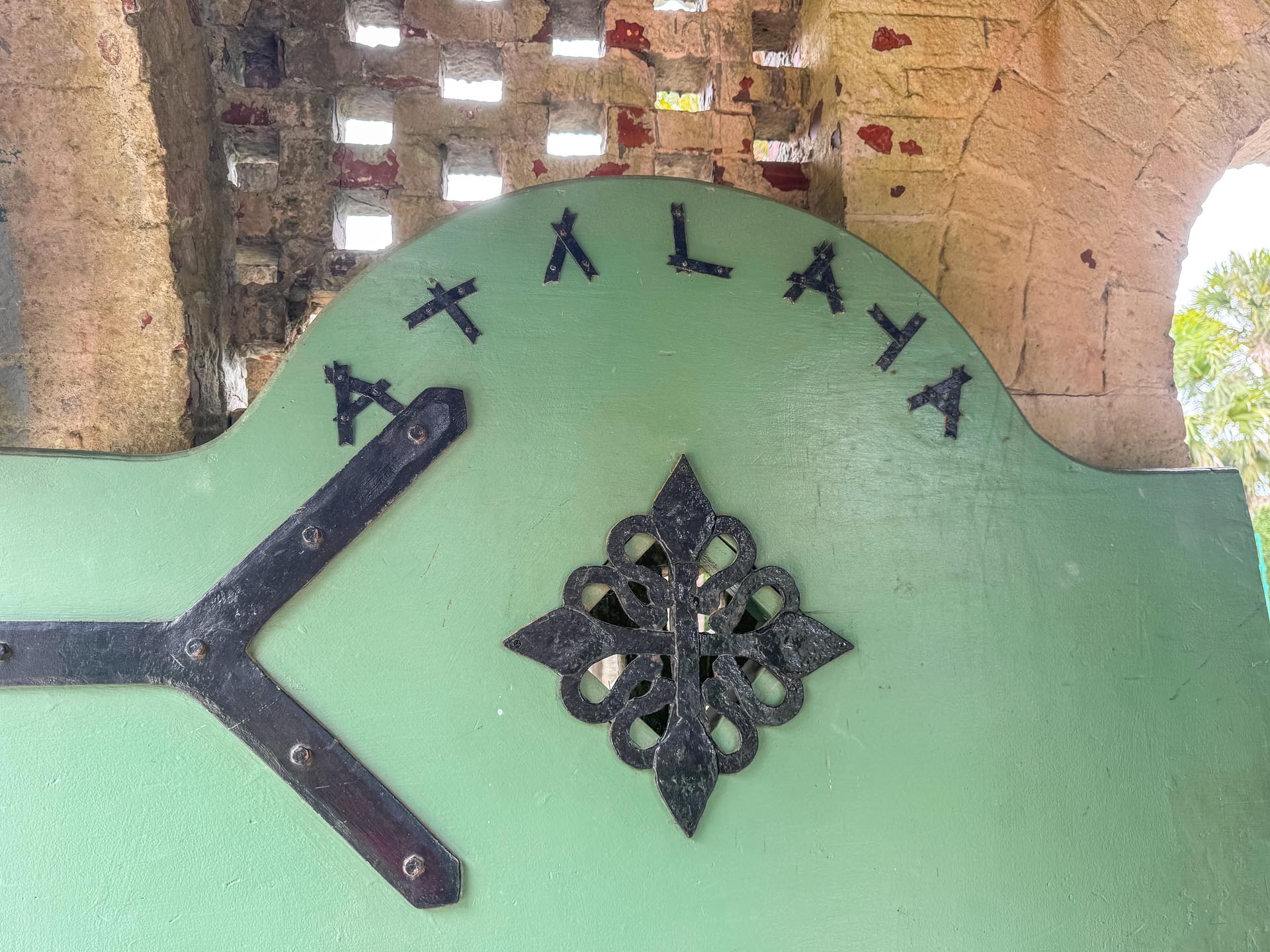 Atalaya was the Huntingtons’ winter home, built in the 1930s along the South Carolina coast. Anna Hyatt Huntington was a nationally known sculptor, and this was not just a beach house. It was a retreat, a studio, and a working space. The building itself feels almost fortress-like, with thick walls, arched openings, courtyards, and long passageways that catch the light in interesting ways. It is beautiful, but not in a fancy or overly decorated way. It is beautiful because it feels useful, personal, and a little unexpected.
That is what makes it such a great companion to Brookgreen Gardens.
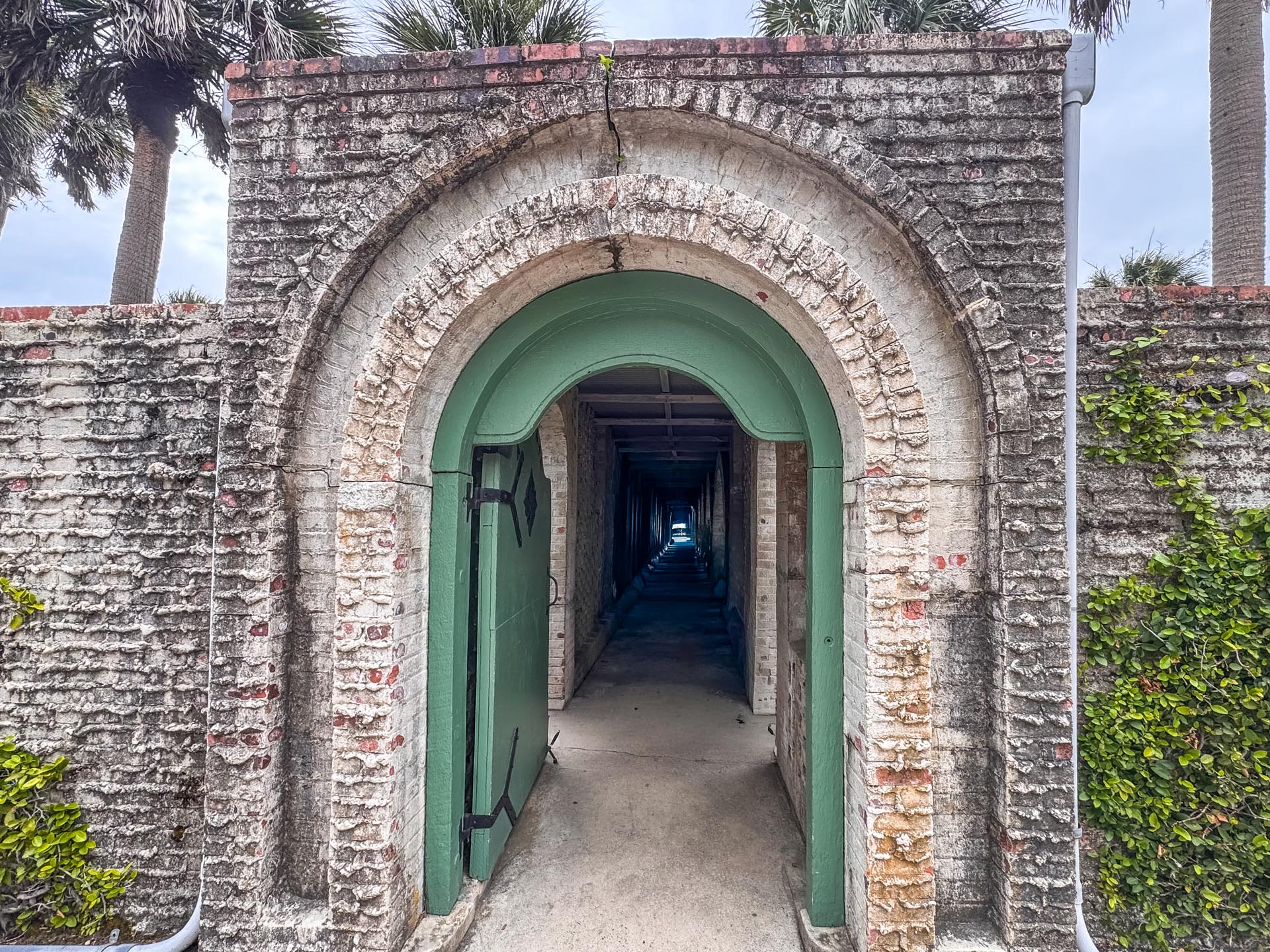 At Brookgreen, you see the finished expression of the Huntingtons’ vision: art placed in the landscape, preserved land, history interpreted for the public, and sculpture given room to breathe. At Atalaya, you get a glimpse of the private side of that same vision. You can imagine Anna working there, planning there, recovering there, and stepping out into the coastal air that shaped so much of the place around her.
Brookgreen feels like the “what they built for the world” side of the story.
Atalaya feels like the “where they lived while building it” side.
 And because the two places are so close together, visiting both makes the whole area feel richer. You start to understand that this stretch of the Grand Strand is not just beach traffic, seafood restaurants, and souvenir shops. There is real history here. There is art here. There is preservation here. There is a story about two people with extraordinary resources who used them to create something that still gives people a reason to stop, walk, look, and learn.
Atalaya is also a great place to explore because it does not feel overly staged. It is not packed with furniture or roped-off rooms. Instead, the building itself does the storytelling. You walk through open spaces, peek into rooms, stand in the courtyard, and notice the shapes, shadows, and textures. It is easy to photograph. It is easy to wander. And it is easy to imagine how different this place must have felt when it was full of people, animals, art, and work.
 For kids, it has just enough castle energy to keep things interesting. For adults, it has enough history and atmosphere to make you want to linger. For anyone who has already been to Brookgreen Gardens, it adds context. It makes the Huntingtons feel less like names on signs and more like people who lived, worked, dreamed, and built something lasting here.
I think that is what I liked most about Atalaya. It made Brookgreen feel bigger in my mind.
Not bigger in size — Brookgreen is already huge — but bigger as a story.
Brookgreen Gardens shows you the legacy. Atalaya shows you the life behind it.
 If you are already making the trip to Brookgreen, Atalaya is absolutely worth adding to the day. Go see the gardens. Go see the sculpture. Then cross over to Huntington Beach State Park and walk through the home that helps explain where so much of that vision came from.
It is not just a side stop. It is the other half of the story.